SHARKLETS: AN AERODYNAMIC CHANGE, NOT AN ENGINE GENERATION
The EADS2012 annual review records AirAsia receiving the first Sharklet-equipped A320 on 21 December 2012. The devices entered service on the existing engine generation before the neo reached airlines. A tall wingtip is therefore a poor shortcut for identifying the propulsion generation of an A320-family aircraft. [215, 21 December 2012 milestone]
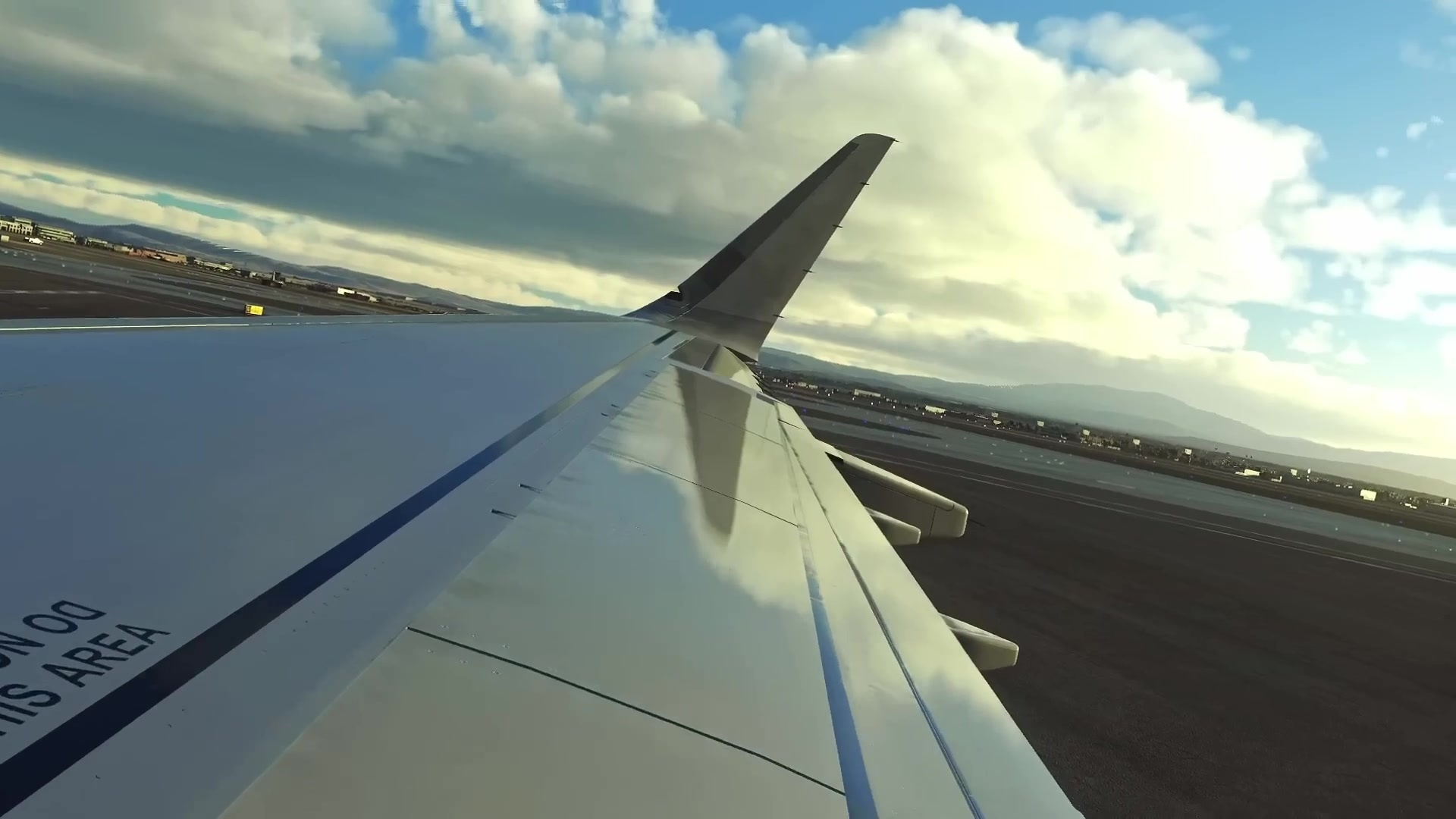
A Sharklet on the aircraft shown in Fenix's 2024 presentation. [36, Official presentation: physical aircraft or control detail]
For the pilot, a wingtip change belongs in the aircraft configuration and performance model. It should not become one fixed percentage reduction manually applied to every flight. Mission length, mass, conditions and calculation assumptions determine the result. The selected Fenix wingtip variant consequently travels with the dispatch and performance calculation; the visual distinction is only the beginning of the briefing. [48, Performance preparation and aircraft/configuration-specific data]
The wingtip is only the visible end of the Sharklet story. Airbus’s FAST 51 account explains the aerodynamic aim and the structural work behind the retrofit: changing the wingtip also changes the loads transmitted into the wing. A retrofit therefore involves an approved configuration and, where required, structural reinforcement. Recognising the external device is useful; identifying the aircraft standard completes the picture. [216, PDF pp. 14–18]