CIRCLING AND VISUAL FLIGHT NEED A PROTECTED GEOMETRY
A circling approach and a visual approach require distinct preparation. The published instrument procedure, circling area, applicable minima and restrictions establish the former's context; a visual approach needs its own coherent path, configuration and landing plan. Neither is an opportunity to improvise a short circuit simply because the runway is visible. Identify the runway and available visual references, terrain and obstacle considerations, weather, wind and the intended missed-approach response before leaving the earlier path. Use the current chart and clearance for the actual operation being practised. [21, PDF pp. 169–176]
During circling, preserve the relationship between the protected area and the flight path. Wind, speed, turn geometry and runway position affect where the aircraft will be during the manoeuvre. The old FCTM's illustrated pattern and timing examples explain a technique for that source; they are not universal geometry for every airport or family member. Plan how the aircraft will remain within the applicable procedure and retain the required visual reference. A runway appearing on the navigation display is not the visual reference required to continue a circling manoeuvre. [21, PDF pp. 169–172]
Brief loss of visual reference as a flight-path decision before it happens. The missed-approach response has to reconcile the aircraft's current position with the applicable procedure and obstacle environment. It cannot be reduced to an automatic turn towards a convenient magenta line. Keep the intended path available and assign the monitoring and communication work. In a simulator, pause during preparation to trace the branches rather than pausing only after the visual situation has become unclear. The professional objective is an immediately understandable continuation or discontinuation plan. [21, PDF pp. 169–172] [21, PDF pp. 197–200]
For a visual approach, control speed and configuration early enough to reach a stable final condition. Compare the runway picture with the intended touchdown position and the remaining stopping performance. Use available instrument information to support the visual assessment as appropriate, while retaining the method and clearance actually in use. A successful ILS earlier in the evening does not establish readiness for an abbreviated visual manoeuvre at another runway. The airframe's geometry, particularly in the longer A321, also remains relevant during turns close to the airport and the subsequent flare. [21, PDF pp. 173–176] [21, PDF pp. 185–196]
Choose an airport and conditions that support the particular exercise, then prepare the charted method and the alternative if the visual requirement cannot be maintained. Do not describe an arbitrary low-visibility pattern as a universally available Heathrow circling procedure. The historical source illustration is useful for discussing geometry only within its stated context. Compare the flown position, wind effect, configuration and decision point afterwards. A good debrief can explain why the manoeuvre remained within the intended operation, rather than relying on the fact that the aircraft eventually reached pavement. [21, PDF pp. 169–176]
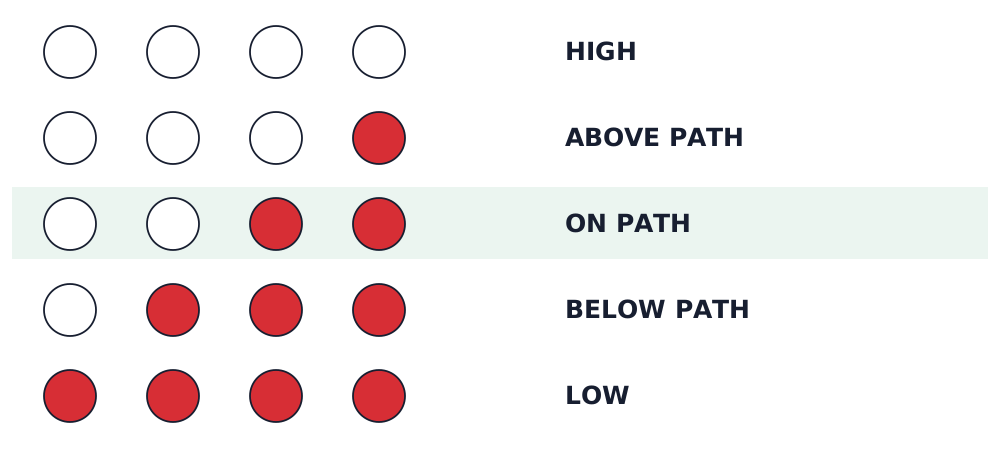
PAPI as seen on approach: four lamps, with white at left and red at right. Two white/two red indicates the visual path; use the published approach geometry. [21, PDF p. 185]