BEFORE THE A300: CARAVELLE, CONCORDE AND AN INHERITED SKILL BASE
The A300 did not emerge from a continent short of aircraft designers. Caravelle had already demonstrated a European short- and medium-haul jet; Concorde demanded cooperation on a much more ambitious aeroplane. Airbus inherited people, factories and engineering habits from those predecessors. What changed was the commercial proposition: cooperation would have to support a competitive family produced in substantial numbers, not simply deliver a technically impressive individual project. [171, Our journey; aerospace inheritance] [172, PDF pp. 8]
The archive photographs are useful precisely because the aircraft look so different. Rear-mounted engines, a delta wing and a widebody twin were answers to different airline requirements. They do not form a simple sequence in which each new design renders the last one foolish. The useful historical connection is accumulated capability: structures, flight controls, testing, production and the ability to make several countries work on one aircraft. [170, PDF pp. 6, 27]
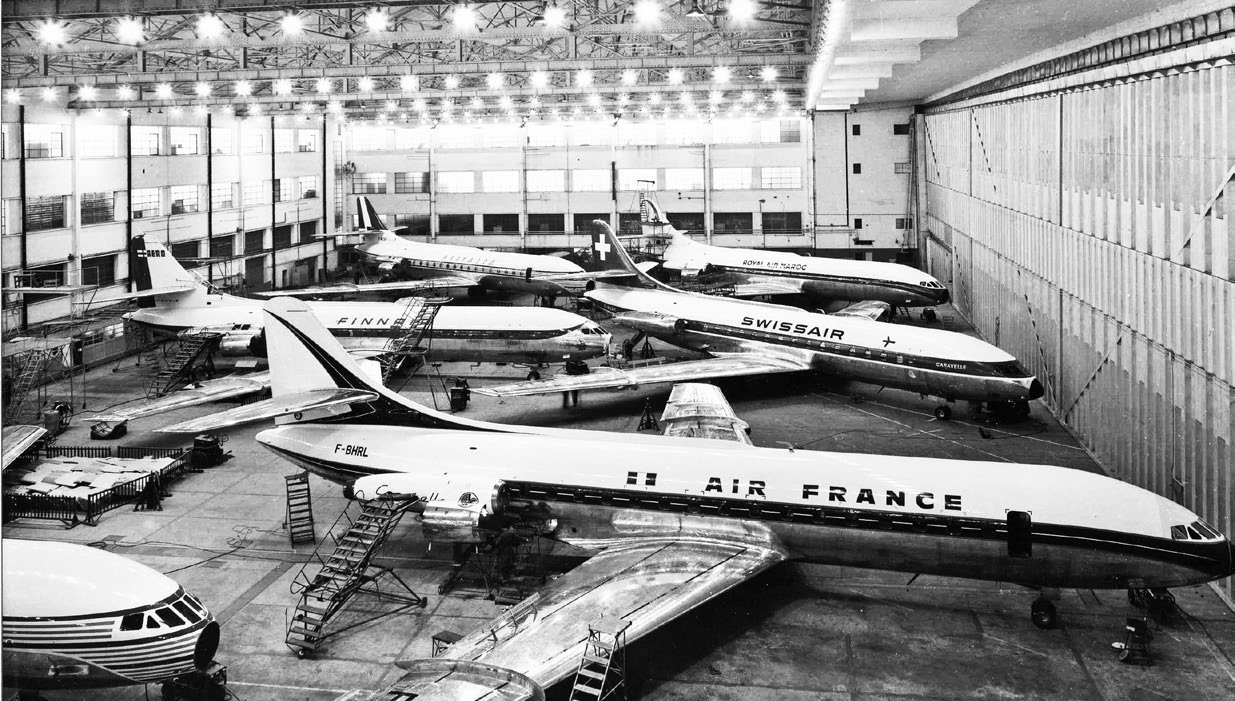
Caravelle airframes in the maintenance hall at Toulouse: European civil-jet expertise preceded the Airbus consortium. Image: Airbus heritage collection; source credits p.48. [170, PDF p. 6]
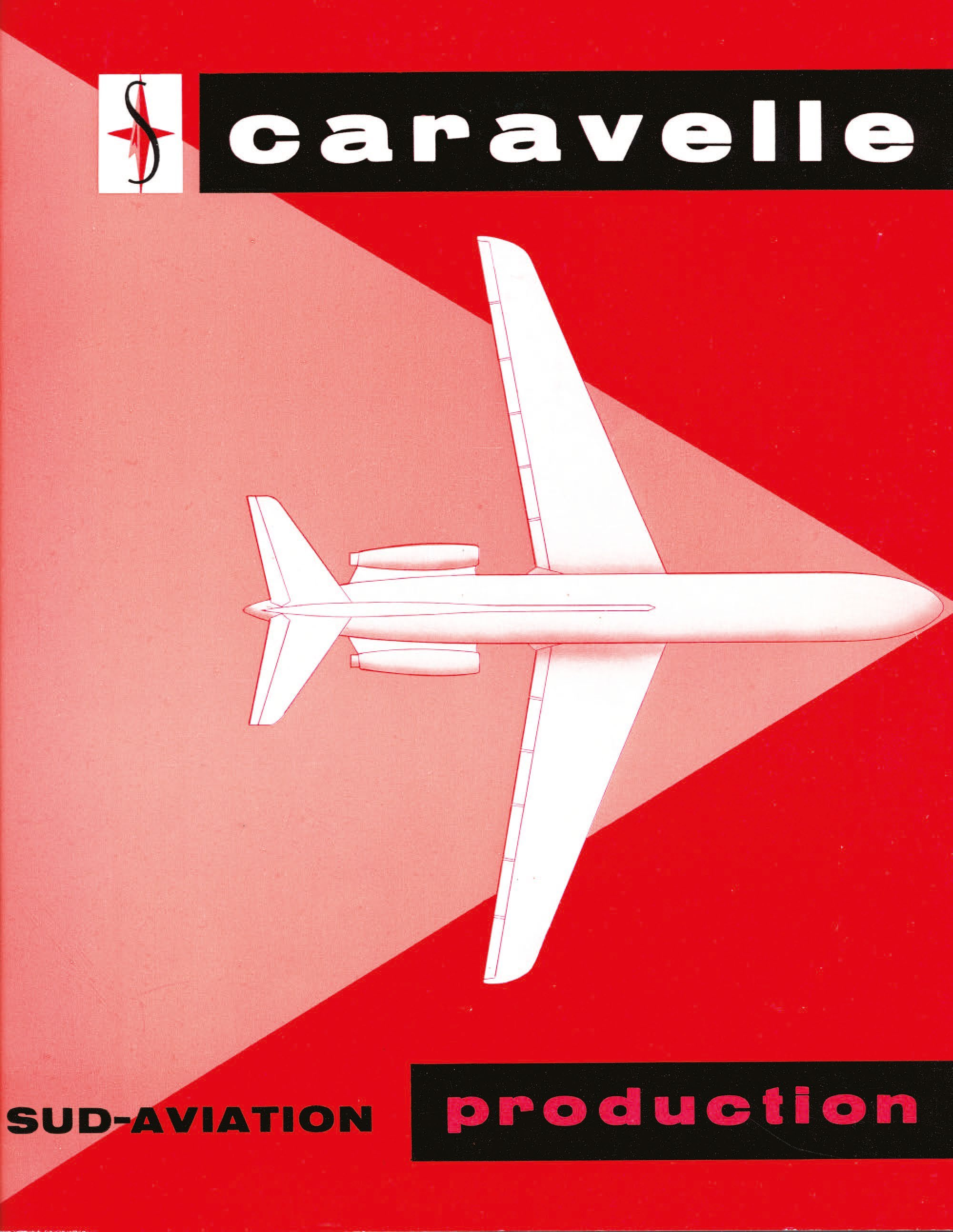
Period Caravelle promotional artwork, reproduced in Airbus' heritage collection. Image: Airbus heritage collection; credits in source p.48. [170, PDF p. 27]
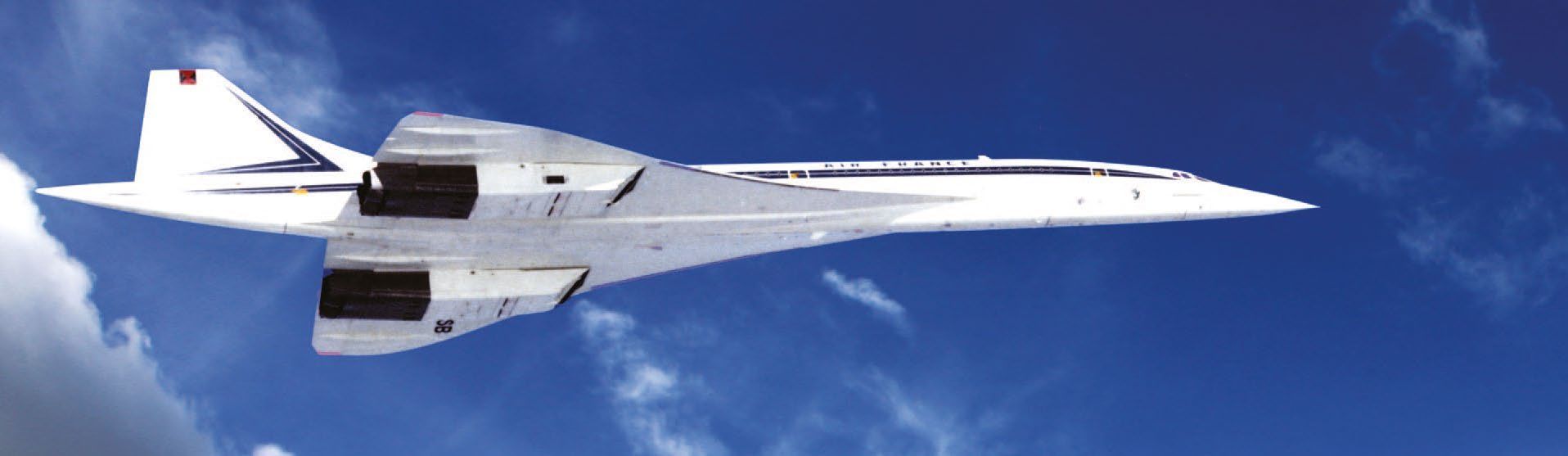
Concorde in the Airbus heritage archive. The Franco-British programme belongs to the industrial background, not the A320 family. Image: Airbus heritage collection; credits in source p.48. [170, PDF p. 34]